The problem with speed
Much of contemporary photography is designed for immediacy. Images are created quickly, consumed quickly, and forgotten just as fast. In that environment, fine art photography risks being misunderstood as simply “better looking” photography, rather than a fundamentally different practice.
Fine art photography is not defined by subject matter alone. It is defined by intent — by the decision to create work that is slow, considered, and built to endure beyond the screen.
Fine art photography as an object, not content
At its core, fine art photography is concerned with permanence. The image is conceived not as a digital file, but as a finished object — something that exists physically, occupies space, and rewards repeated viewing.
This shift in thinking changes everything: composition, tonal control, restraint in colour, and the deliberate use of light. Each decision is made with longevity in mind, not attention metrics.
This approach underpins all work presented on the Fine Art Photography page and across the wider site.
Atmosphere, architecture, and restraint
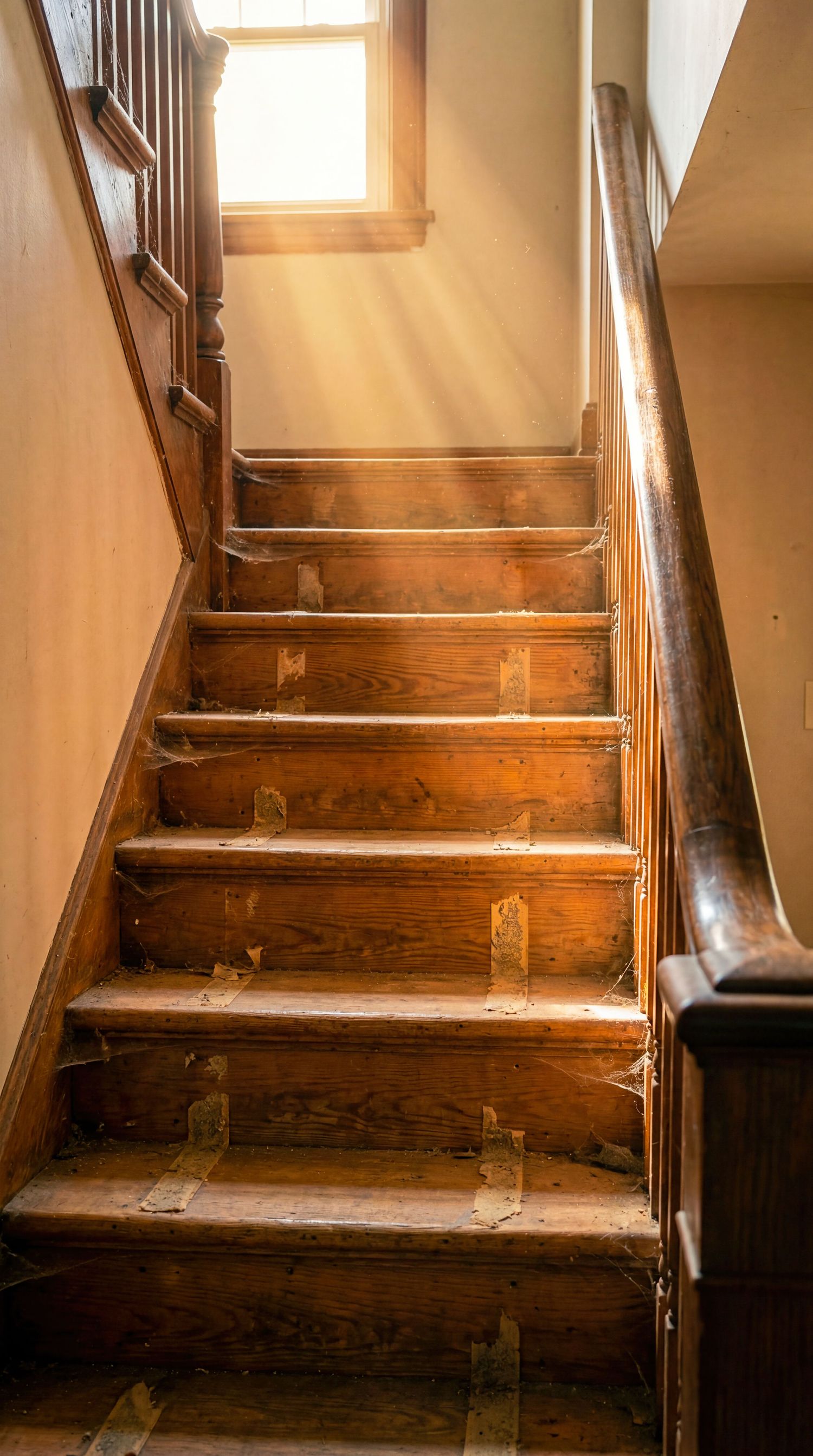
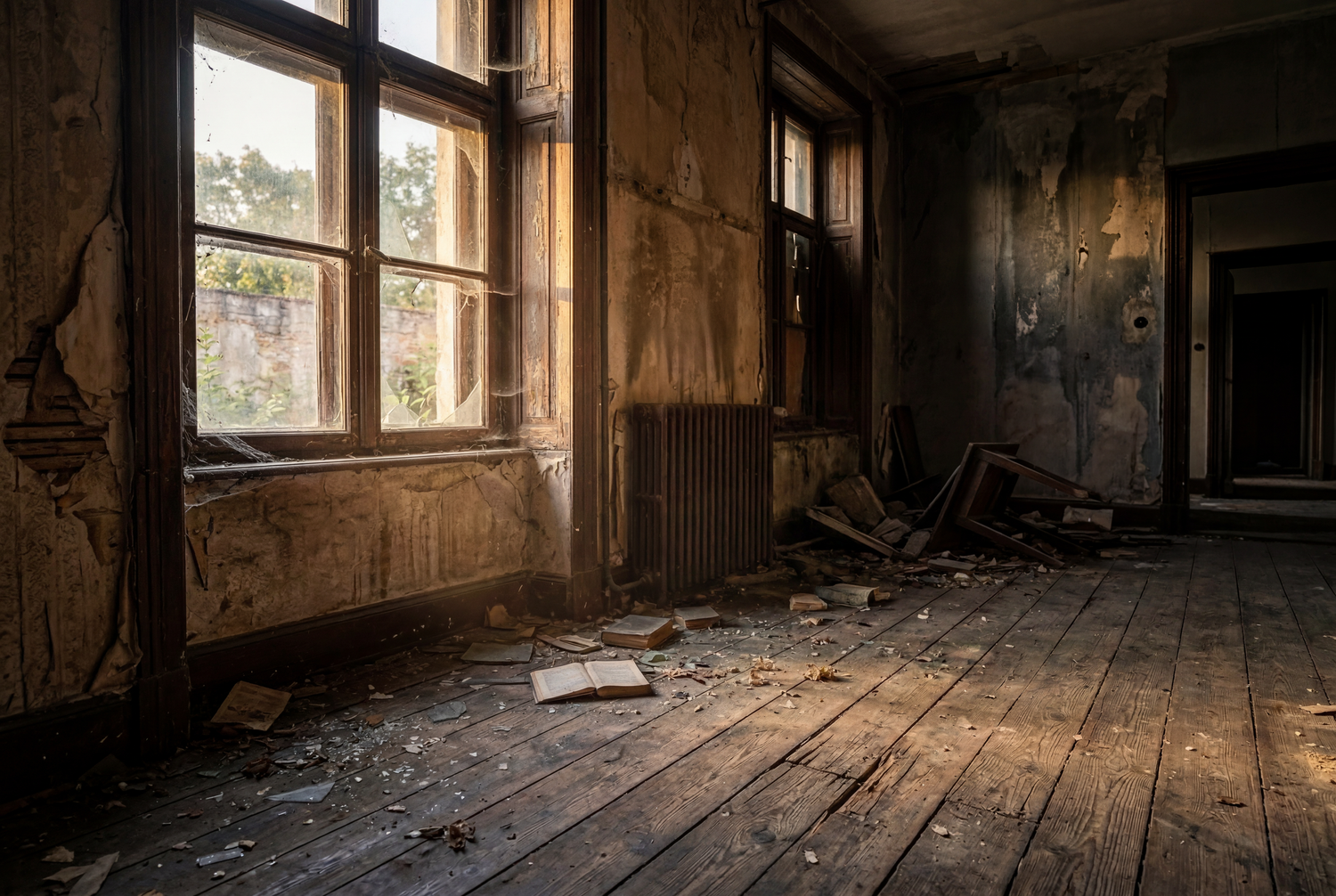
Much fine art photography avoids overt narrative. Instead, it creates space for the viewer to enter the image and form their own relationship with it. Architecture, interiors, and isolated environments lend themselves naturally to this kind of work.
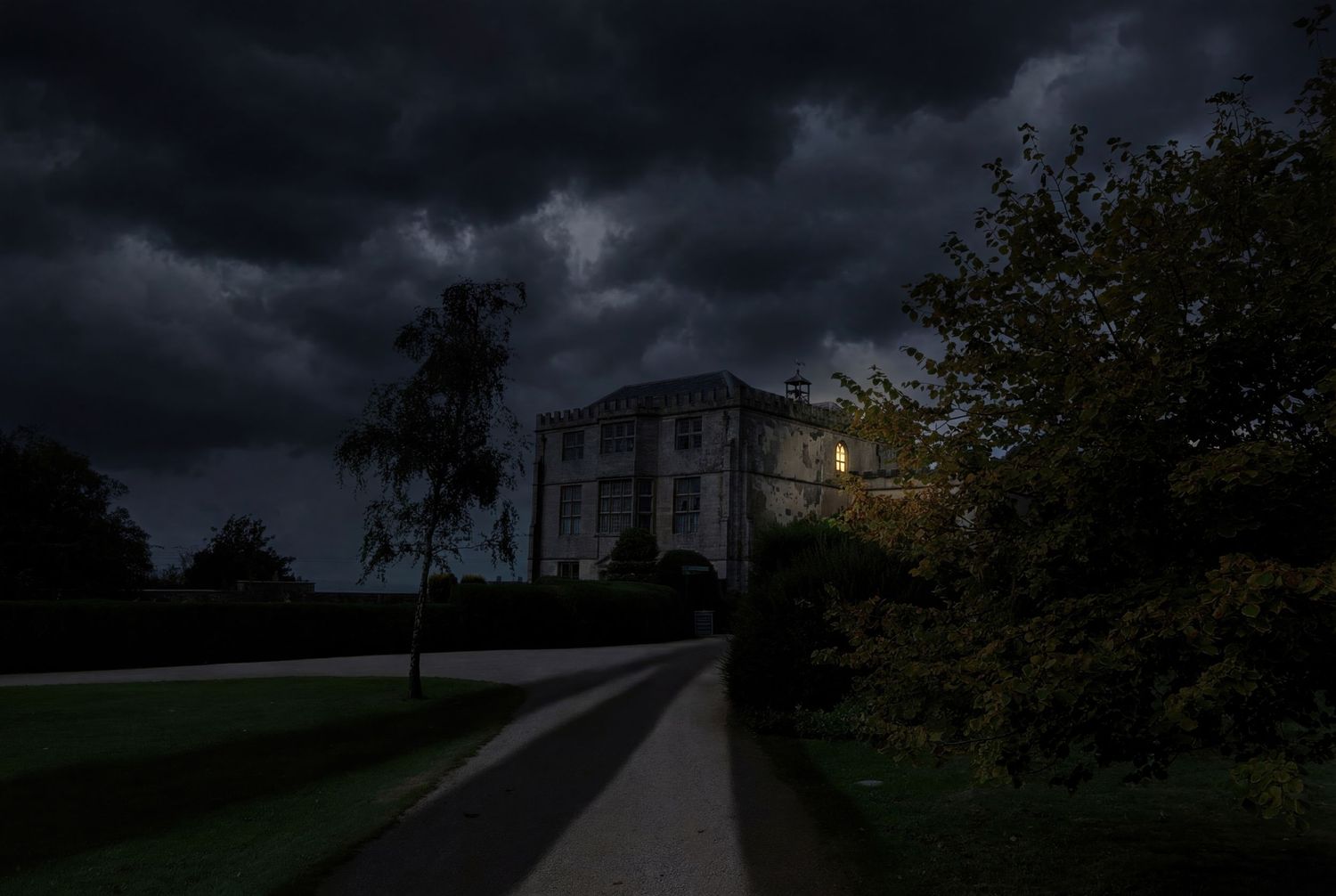
Collections such as Sanctum of Shadows and Urban Isolation explore quiet spaces shaped by absence, memory, and stillness. Darkness is not used as a stylistic device, but as a tool for focus — removing distraction so that form and atmosphere can carry meaning.
Why limitation matters
Limitation is central to fine art practice. Limited editions are not a marketing tactic; they reflect the finite nature of attention, intent, and creative focus. Once an image has said what it needs to say, repetition diminishes its meaning.
For this reason, works are produced as carefully controlled editions using museum-grade processes. The goal is not accessibility at scale, but integrity over time.
More detail on materials, editions, and presentation can be found on the Fine Art Print Standards page.
Fine art photography beyond trend
Trends pass quickly. A fine art photograph should not. By prioritising atmosphere, material presence, and restraint, fine art photography remains relevant long after stylistic movements fade.
The aim is not to explain the work exhaustively, but to allow it to exist quietly — holding its place without urgency.
The Collections
My work is curated into distinct atmospheres. Choose your world:
I. THE ANCIENT WORLD
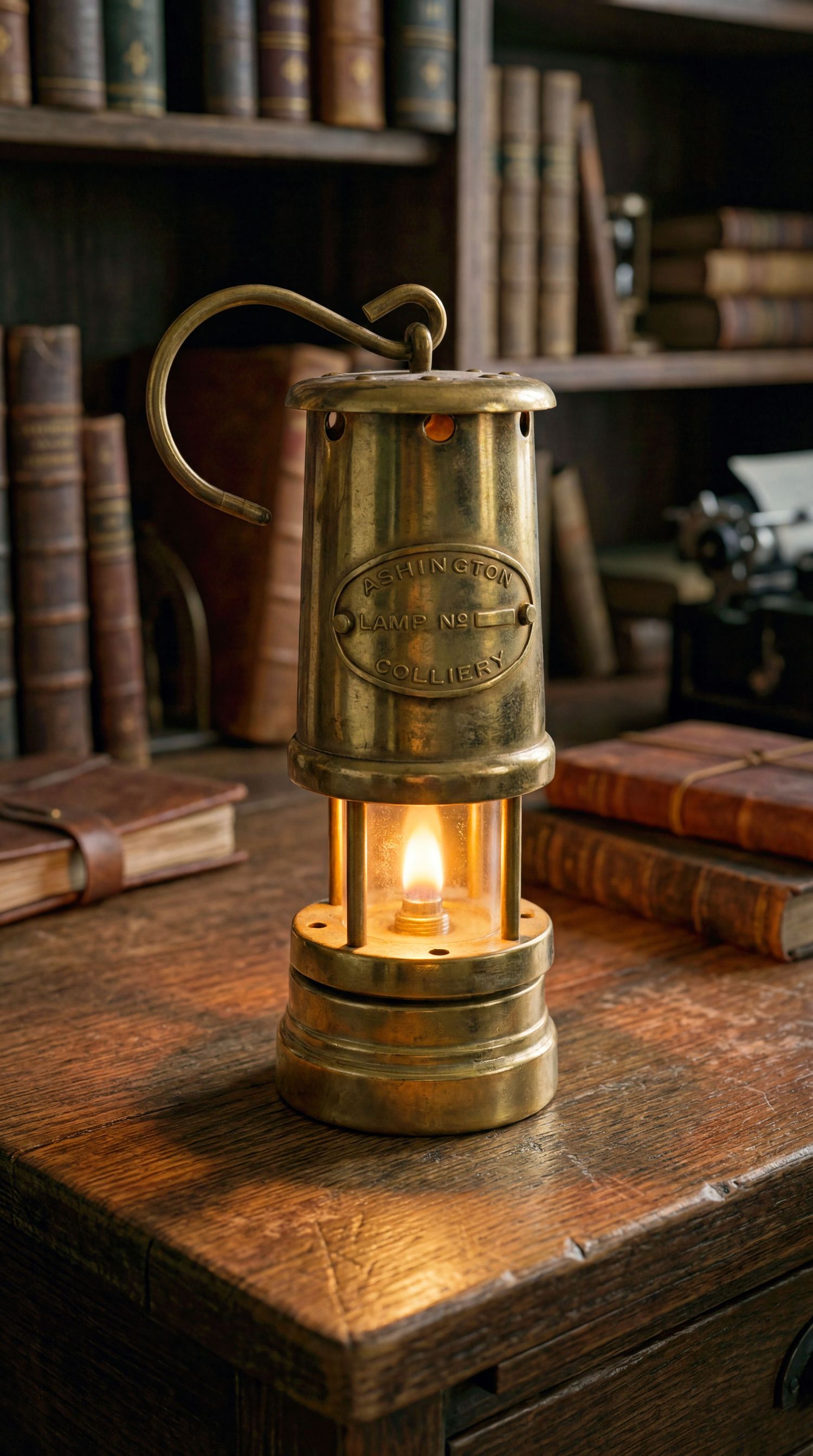
Sanctum of Shadows & The Relics
The history, breathing.
Intimate studies of cathedrals, ancient stone, and the sacred objects that time left behind.
II. THE DISCOVERY
The Forgotten Room
The unseen.
Atmospheric experiments, fragments, and landscapes that live between the collections.
III. THE INVESTMENT
The Collector's Vault
The rarest works.
Large-format "1 of 1" Master Editions for the committed collector.
IV. THE MODERN SILENCE
Urban Isolation
The city, sleeping.
Cinematic studies of the streets, structures, and corners where the modern world falls quiet.