The Power of Quiet Work: Why Slow Photography Outlasts Loud Images
In a world addicted to noise, restraint becomes a signature.
There is a kind of photography that shouts.
Bright colours. Fast edits. Immediate impact.
And then there is the work that waits.
Quiet photography doesn’t compete for attention — it earns it. It asks the viewer to slow down, to stand still for a moment longer than they planned, to notice the subtleties they usually rush past. This is the space where fine art photography lives.
Silence as a Creative Choice
Silence in photography isn’t absence. It’s intention.
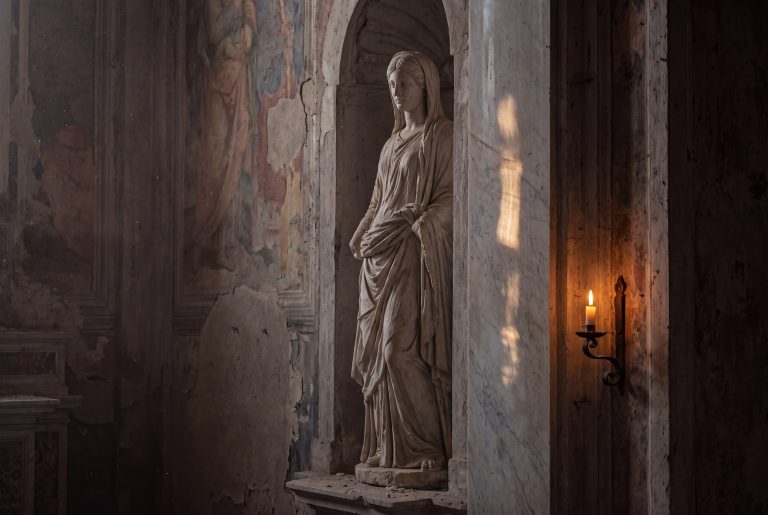
Muted palettes, controlled light, restrained compositions — these are not accidents. They are decisions that prioritise atmosphere over spectacle. Where loud images demand a reaction, quiet images invite contemplation.
This approach is central to the work held within The Antechamber — a space designed not to impress, but to prepare. It exists between rooms, between certainty and discovery, between what is shown and what is withheld.
The Antechamber is not a gallery in the traditional sense. It is a threshold.
Why Slow Work Connects More Deeply
Human psychology responds differently to restraint. When an image doesn’t explain itself immediately, the viewer leans in. Memory activates. Emotion fills the gaps.
This is why slow photography stays with people longer than fast imagery. It isn’t consumed — it’s inhabited.
Collectors don’t buy images because they are loud. They buy them because the image continues to speak days, months, even years later. Quiet work has endurance.
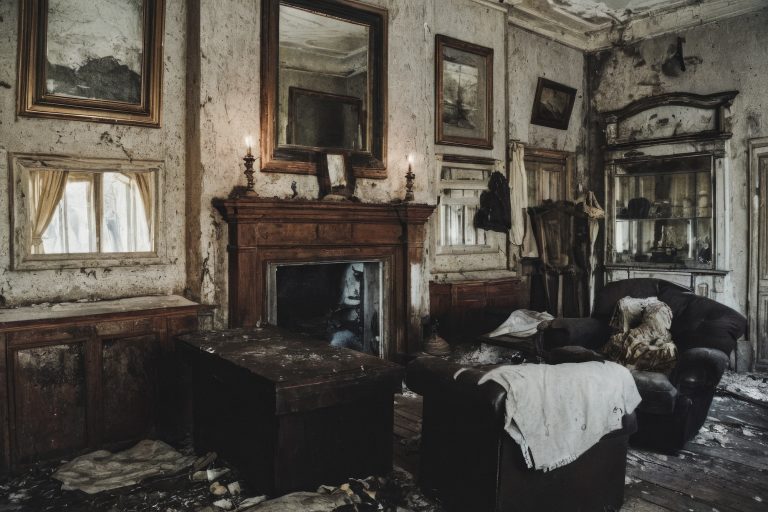
This is also why collections such as Sanctum of Shadows and The Forgotten Room resonate so strongly. They don’t offer answers — they offer presence.
Letting the Work Breathe
In an era of constant optimisation and endless posting, choosing to slow down is a radical act. One image carefully placed will always outlast ten rushed uploads.
That philosophy extends beyond the images themselves. It shapes how work is revealed, how galleries are structured, and how viewers are invited — never pushed — to engage.
If someone finds their way into a space like The Antechamber, it’s because they were ready for it. And that readiness matters.
The Long View
Fine art photography is not built on urgency. It is built on accumulation — of trust, of consistency, of atmosphere.
Quiet work doesn’t trend.
It endures.
And in the long run, endurance is what defines an artist’s voice.