Hidden Galleries and the Psychology of Discovery in Fine Art Photography
What we choose not to show matters just as much as what we do.
Not every photograph needs an audience.
In fine art, visibility is a choice, not a requirement. Some work is made to be encountered deliberately — discovered rather than displayed. Hidden galleries exist for this exact reason.
They are not secrets.
They are filters.
Why Discovery Creates Value
Psychologically, discovery changes perception.
When a viewer stumbles upon something unexpected — a quiet space, a restrained collection, an image not pushed into view — the experience shifts from consumption to participation. The viewer feels chosen, even when they weren’t.
This is why hidden collections hold power. They slow the encounter. They strip away performance. What remains is intent.
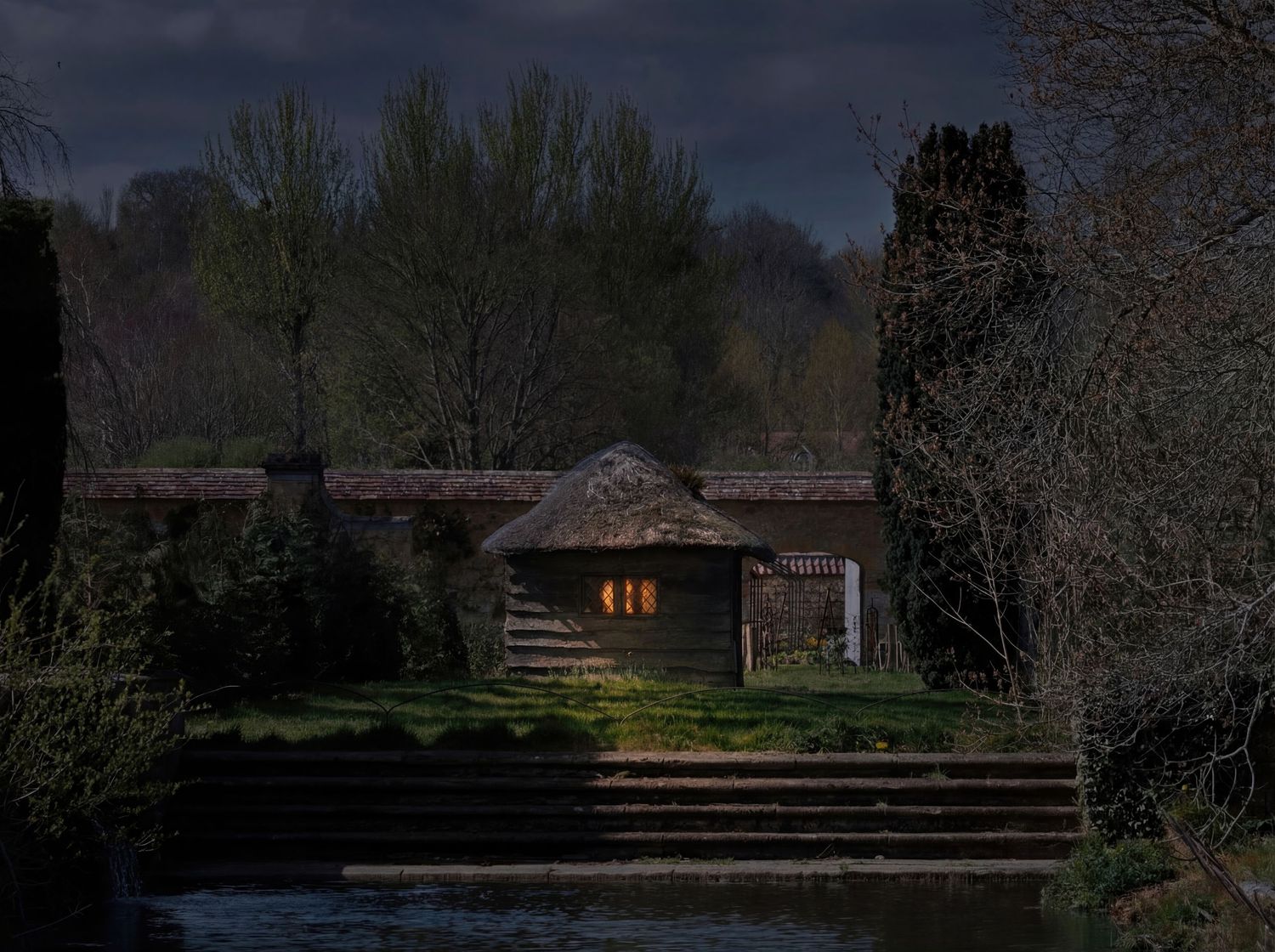
The Antechamber exists in this space — not as a showcase, but as a pause before commitment. A place where work can exist without explanation.
Curated Absence vs Overexposure
Modern photography culture rewards volume. More images. More posts. More visibility.
Fine art works differently.
Collectors respond to curated absence — the understanding that what they are seeing is part of a larger, more considered body of work. When everything is visible, nothing feels rare.
Hidden galleries restore balance. They allow an artist to protect certain pieces from dilution, to let work mature quietly, and to invite only the right eyes forward.
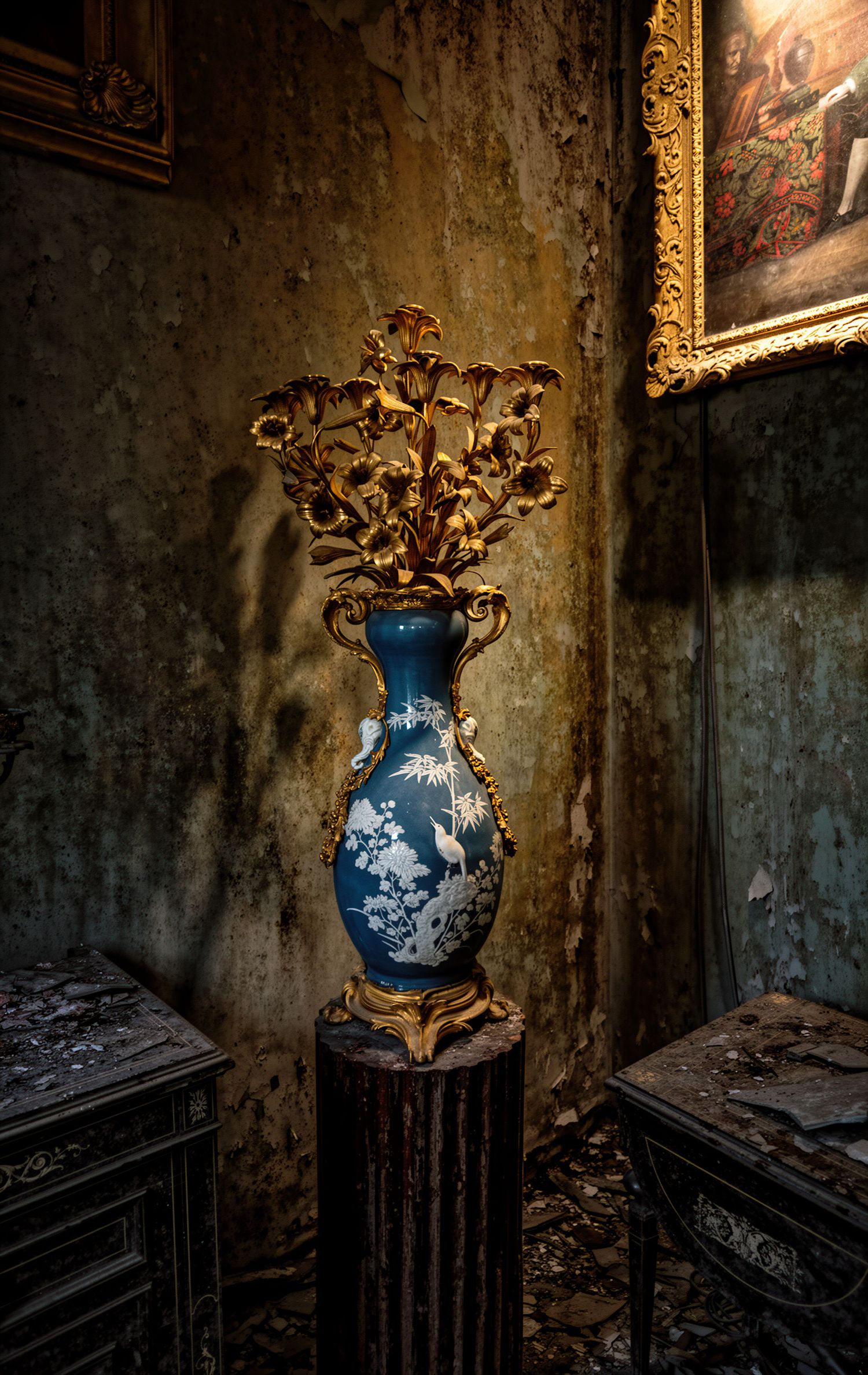
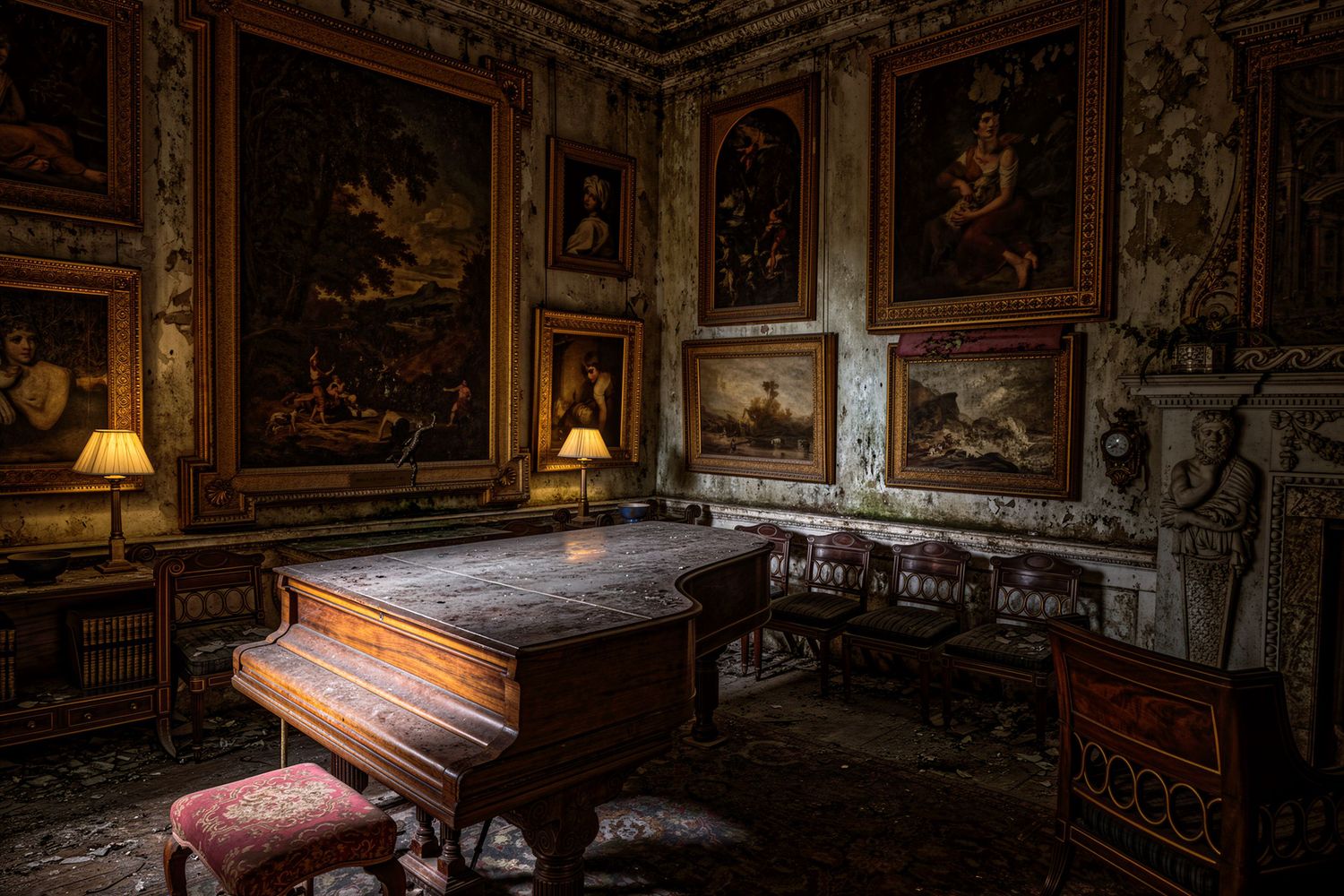
This same philosophy underpins collections such as The Forgotten Room, where atmosphere outweighs narrative, and interpretation is left deliberately unresolved.
Trust Is Built in Silence
There is confidence in restraint.
An artist who doesn’t rush to explain their work signals trust — in the viewer, and in the work itself. Silence becomes a form of authorship.
This is why discovery-led spaces feel more intimate. The viewer isn’t told what to think. They’re allowed to arrive at meaning on their own terms.
In fine art photography, that autonomy is everything.
The Long-Term Effect
Hidden work doesn’t disappear.
It waits.
And when it’s found, it lands deeper.
This approach doesn’t chase attention — it builds resonance. Over time, that resonance is what separates decorative imagery from collected work.