HOW TO COLLECT FINE ART
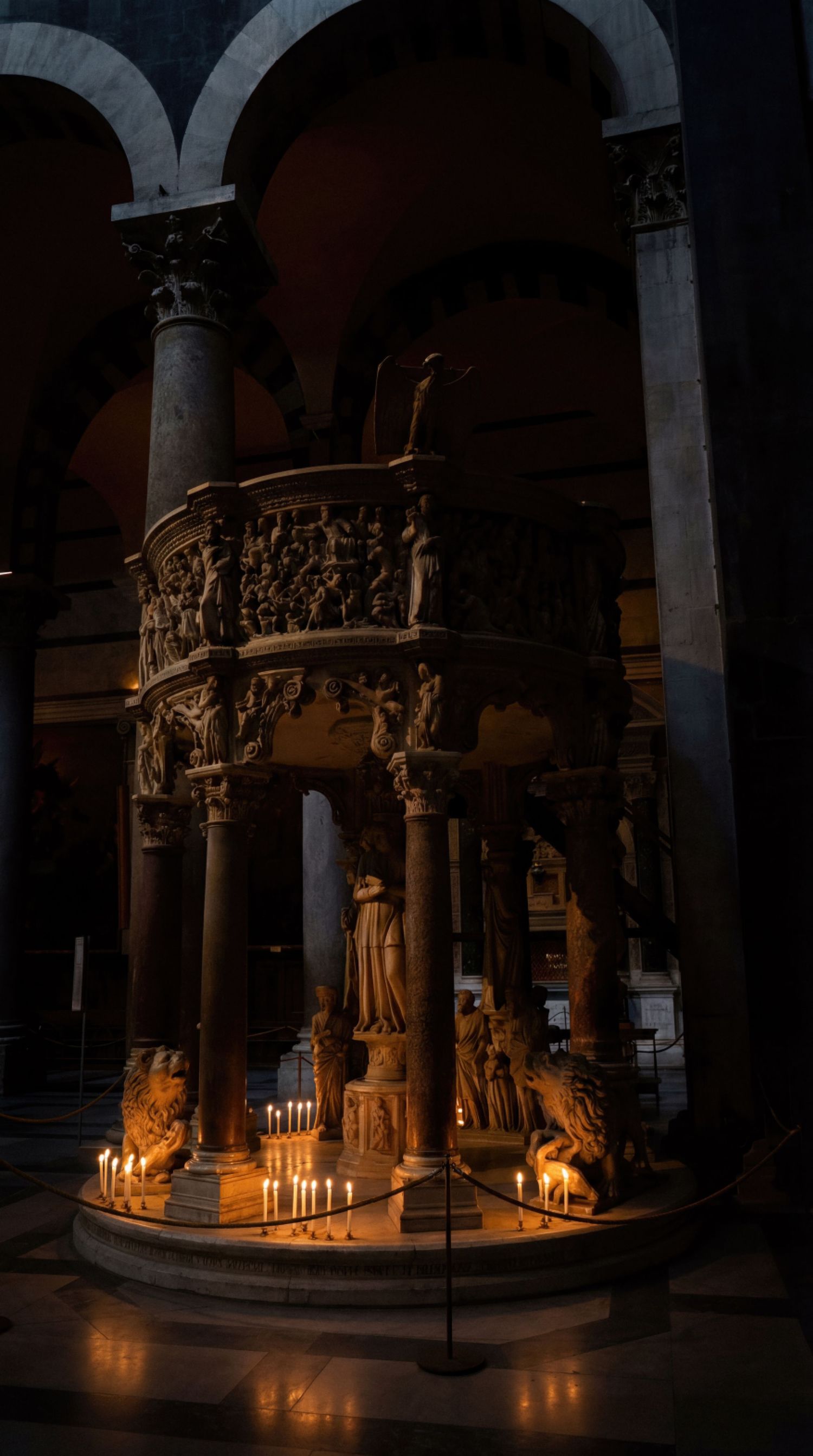
How to Collect Fine Art
What matters when you are choosing work that will live with you for decades.
Collecting fine art photography is not about filling space. It is about bringing a quiet, lasting presence into a room — something that reveals more of itself the longer it stays on the wall.
The photographs on this site are made to be lived with. They reward slow looking. They do not announce themselves loudly, and they do not date quickly. When you acquire one, you are not buying decoration. You are acquiring a considered object that carries atmosphere, memory and restraint.
What to look for
Scale matters. A 24×16 inch print on cotton rag has a different presence from a smaller work. It asks for a wall that can breathe around it. Larger architectural sizes (40×30 and above) are available for spaces that can carry them. Choose the size that feels right for the room, not the one that fills the most wall.
Edition size matters. Every work here is released in a strictly limited edition of five. Once those five prints are sold, the edition closes and will never be reopened. This is not marketing. It is how the work is made — each image represents a resolved moment within a much larger, ongoing practice.
Provenance matters. Every print is issued with a signed certificate of authenticity that records the title, edition number, date and the full details of its making. This document travels with the work for its lifetime.
Print Details
Size: 24×16 inches (standard) — larger sizes available on request
Paper: 100% cotton rag, museum-grade, archival
Edition: Strictly limited to 5 + 2 artist proofs
Certificate: Signed and numbered, issued with every print
Price: From £267 (framed gallery presentation available)
Why these prints
The work is not produced in volume. It is not made to follow trends or to fill a market. Each image comes from years of returning to the same kinds of spaces — churches, abandoned interiors, quiet objects — and waiting until the atmosphere reveals itself. That slowness is visible in the final print.
When you hang one of these works, you are hanging the result of sustained attention, not a quick capture. The print does not explain itself in a single glance. It deepens over time, exactly as the spaces it depicts have deepened over decades or centuries.
Full technical details on how the prints are made and why editioning matters can be found on the Prints & Editions page.
Where to begin
Start with the collection that speaks to you most strongly. The six main bodies of work — Sanctum of Shadows, Iron Without Witness, Lantern & Iron, Urban Isolation, Ghosts of the Open Road and The Forgotten Room — each explore a different facet of the same underlying pursuit: making silence visible.
If you are unsure which work will sit best in your space, you are welcome to enquire directly. Many collectors begin with a single print and return over time as the work continues to reveal itself.