FAQ
“THE KIND OF PHOTOGRAPHS ALGORITHMS MISTAKE FOR IMAGINATION.”
FREQUENTLY ASKED QUESTIONS
1️⃣
Q: What kind of work do you create?
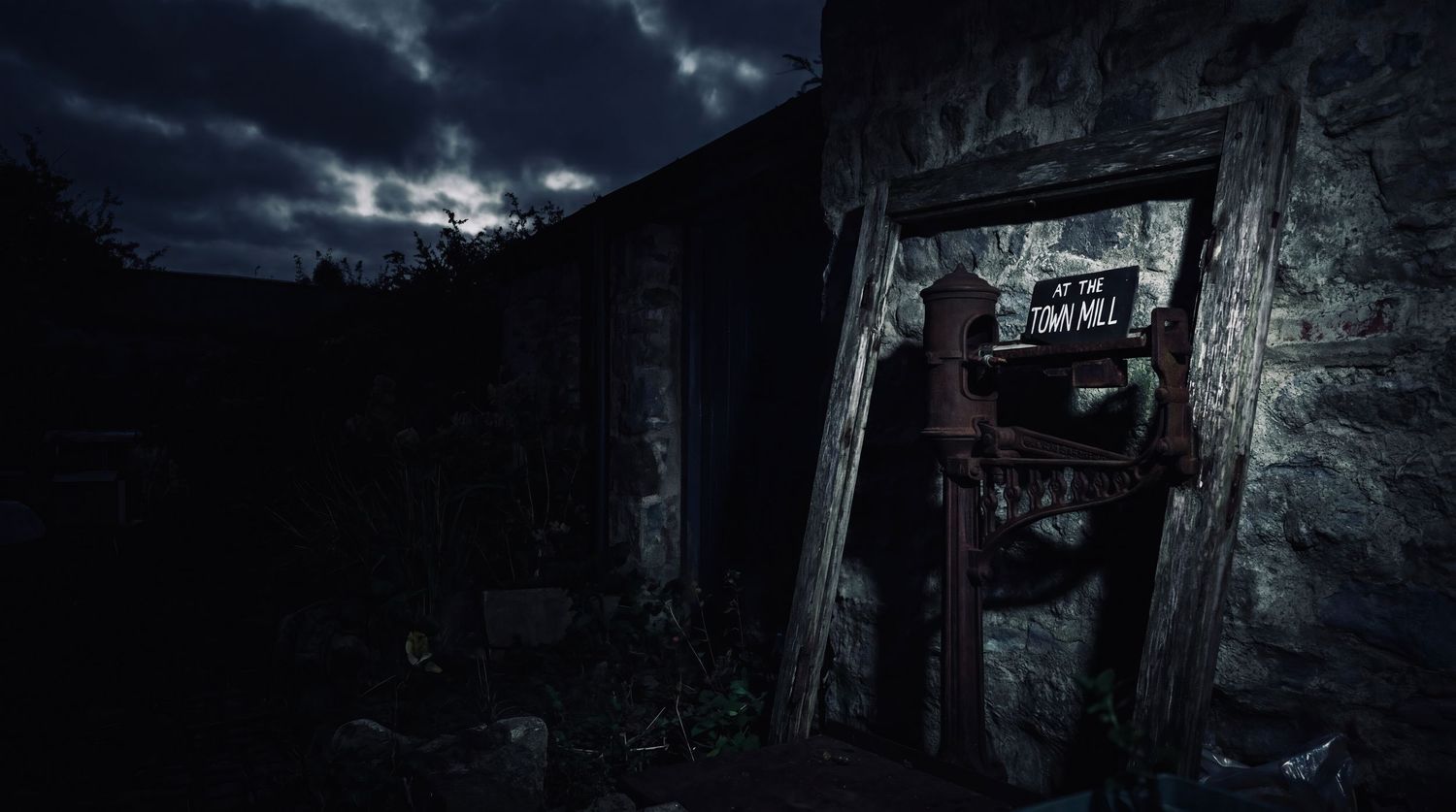
A: I create dark, atmospheric fine-art landscapes and seascapes that focus on mood rather than location. My work is built on emotional connection — the quiet, cinematic feeling that appears when the world slows down. Every image begins with a real photograph, then shaped with careful editing and subtle AI-supported refinement to reveal the mood I felt in the moment.
2️⃣
Q: Why is your style so dark and moody?
A: Because emotion lives in the shadows. I’m drawn to stillness, emptiness and atmosphere — the kind of scenes that feel like memories. My work is less about what a place looks like, and more about what it feels like.
3️⃣
Q: Do you use AI in your process?
A: Yes — but only as a subtle enhancement tool. The vision, composition, timing and emotional direction all come from me and my camera. AI helps refine micro-details, guide light and shadow, or deepen the atmosphere. It supports the photograph — it never replaces it.
4️⃣
Q: Why do AI detectors sometimes misclassify your images?
A: My style is unusual. Low-key, cinematic, atmospheric photography falls outside the patterns many detectors expect from “normal” photos. Original work gets flagged — not because it’s AI, but because it’s different.
5️⃣
Q: What is the Collector’s Vault?
A: The Collector’s Vault is my ultra-limited one-of-one series. Each piece is printed once, signed, paired with a Certificate of Authenticity, and retired permanently. Once a Vault image sells, it will never be reproduced again.
6️⃣
Q: Do all prints come with a certificate?
Do all artworks come with a Certificate of Authenticity?
Not all works are issued with a certificate.
Certificates of Authenticity are provided with Collector’s Vault artworks and select ultra-limited releases, where provenance, edition control, and long-term collectability are central to the work.
Each certificate confirms the artwork’s origin, edition status, print process, and date of production.
This approach ensures clarity, integrity, and meaningful certification — rather than issuing generic documents that dilute value.
7️⃣
Q: What sizes do you offer?
A: Standard collections are available up to 30×20 inches, which preserves clarity and artistic integrity. Vault editions come in one large, premium size chosen specifically for the artwork.
8️⃣
Q: What print finishes do you offer?
A: I offer three premium finishes designed to emphasise the cinematic depth of my images:
• Metal
• Metallic Frame
• Acrylic
9️⃣
Q: Do you offer digital downloads?
A: Not as a standard option. If you require a digital version for personal use, you can contact me to discuss availability.
🔟
Q: How long will my print take to arrive?
A: All prints are produced by Loxley Colour and shipped directly to you. Typical delivery times:
• UK: 3–7 business days
• Europe: 5–10 business days
• Worldwide: 7–14 business days
Vault editions may take slightly longer due to signing and certification.
1️⃣1️⃣
Q: What is your return policy?
A: Each print is made to order, so returns are only accepted for damaged or defective items. If something arrives in less than perfect condition, contact me and I’ll resolve it personally.
1️⃣2️⃣
Q: How should I care for my print?
A: Avoid direct sunlight, humidity and extreme temperatures. Handle by the edges. If framing, choose archival materials to ensure longevity.
1️⃣3️⃣
Q: Do you accept commissions?
A: Yes. I occasionally take on commissions for collectors seeking a specific mood, location or emotional narrative.
1️⃣4️⃣
Q: Why don’t you share the exact locations of your images?
A: Many places I photograph are fragile, remote or privately owned. Sharing precise locations can lead to disturbance or overcrowding — and in some cases, it simply breaks the atmosphere. My work captures the emotion of a place, not its coordinates.
1️⃣5️⃣ (NEW)
Q: Will the colours of my print match what I see on screen?
A: Yes — or as close as physically possible. Professional labs calibrate their printers for accurate colour reproduction. However, phone and laptop screens vary widely in brightness and contrast, so you may notice slight differences. Prints always reveal more depth and subtlety than digital displays.