There are photographs that announce themselves immediately — bold colour, dramatic light, obvious spectacle. They demand attention and reward it quickly.
But there is another kind of image. One that does not compete for your gaze. One that waits.
These photographs ask something quieter of the viewer: time.
They do not reveal themselves all at once. They work slowly, often only after the first glance has passed. The longer you stay, the more they begin to speak — not through explanation, but through atmosphere, suggestion, and restraint.
This is the kind of work I am drawn to create.
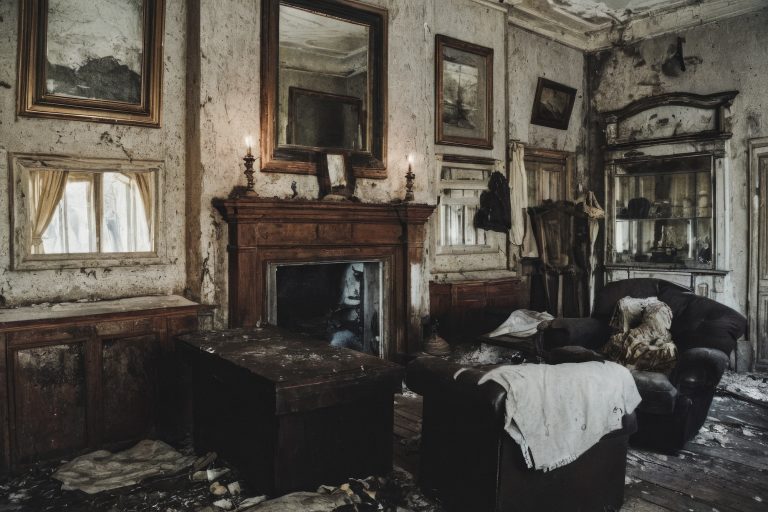
I’m not interested in capturing moments that resolve instantly. I’m more interested in what lingers: a threshold left open, a room that feels recently vacated, a structure holding its breath beneath a changing sky. These are not scenes designed to impress, but to remain.
In a world trained to scroll, slowness has become a form of resistance.
When a photograph refuses to explain itself, the viewer is invited to bring something of their own — memory, emotion, uncertainty. The image becomes a space rather than a statement. That is where connection happens.
Many of the works held within The Antechamber exist for this reason. They are not arranged as collections, not framed as conclusions. They are pauses. Moments waiting quietly, without urgency, until they find the right context or the right viewer.
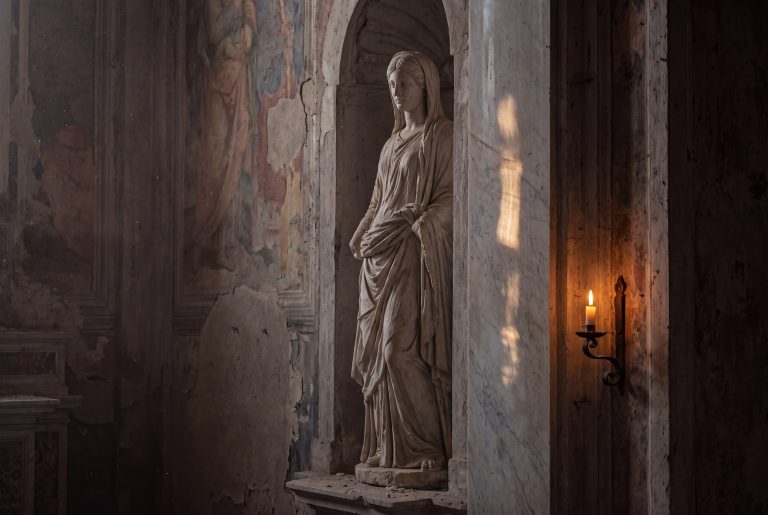
Occasionally, a single image carries enough weight to stand alone. When that happens, it becomes something else entirely — a boundary rather than a series. The Quiet Threshold was created in this spirit: a photograph not intended to be explained, but encountered.
Slowness, in photography, is not about nostalgia. It is about trust. Trust that the image does not need to shout. Trust that the viewer does not need to be rushed. Trust that meaning can arrive in its own time.
The photographs that endure are rarely the loudest. They are the ones that remain, quietly, long after the page has been closed.