Why Silence Sells: The Power of Restraint in Fine Art Photography
In an age of endless images, constant updates, and relentless promotion, silence has become rare. In fine art photography, that rarity carries power.
Restraint — in subject, presentation, and availability — is not a lack of ambition. It is a deliberate choice to allow an image to breathe, to stand on its own terms, and to invite contemplation rather than demand attention.
Many photographers feel pressure to produce constantly. More images. More sizes. More options. More explanations. Yet the most enduring photographic work often does the opposite. It limits. It defines boundaries. It trusts the viewer.
When an image is offered quietly, without apology or persuasion, it shifts the dynamic. The viewer is no longer being sold to. They are being invited to decide whether the work belongs in their life.
This is why silence sells — not loudly or quickly, but meaningfully.
Restraint Creates Trust
Collectors are not looking for urgency. They are looking for confidence.
When a photographer limits editions, fixes format, and resists endless variation, it signals intention. The work feels considered, not reactive. The absence of choice reduces doubt. The clarity of the offer becomes its own form of reassurance.
This is why limited editions matter. Not as scarcity theatre, but as a declaration that a photograph has a defined existence. Once that existence is complete, the work is allowed to rest.
Restraint tells the viewer that the artist knows when to stop.
Silence Allows the Image to Speak
Images that rely on explanation rarely linger.
When photography is over-described, over-contextualised, or over-marketed, it leaves little space for personal interpretation. Silence, on the other hand, allows the viewer to bring their own experience to the image.
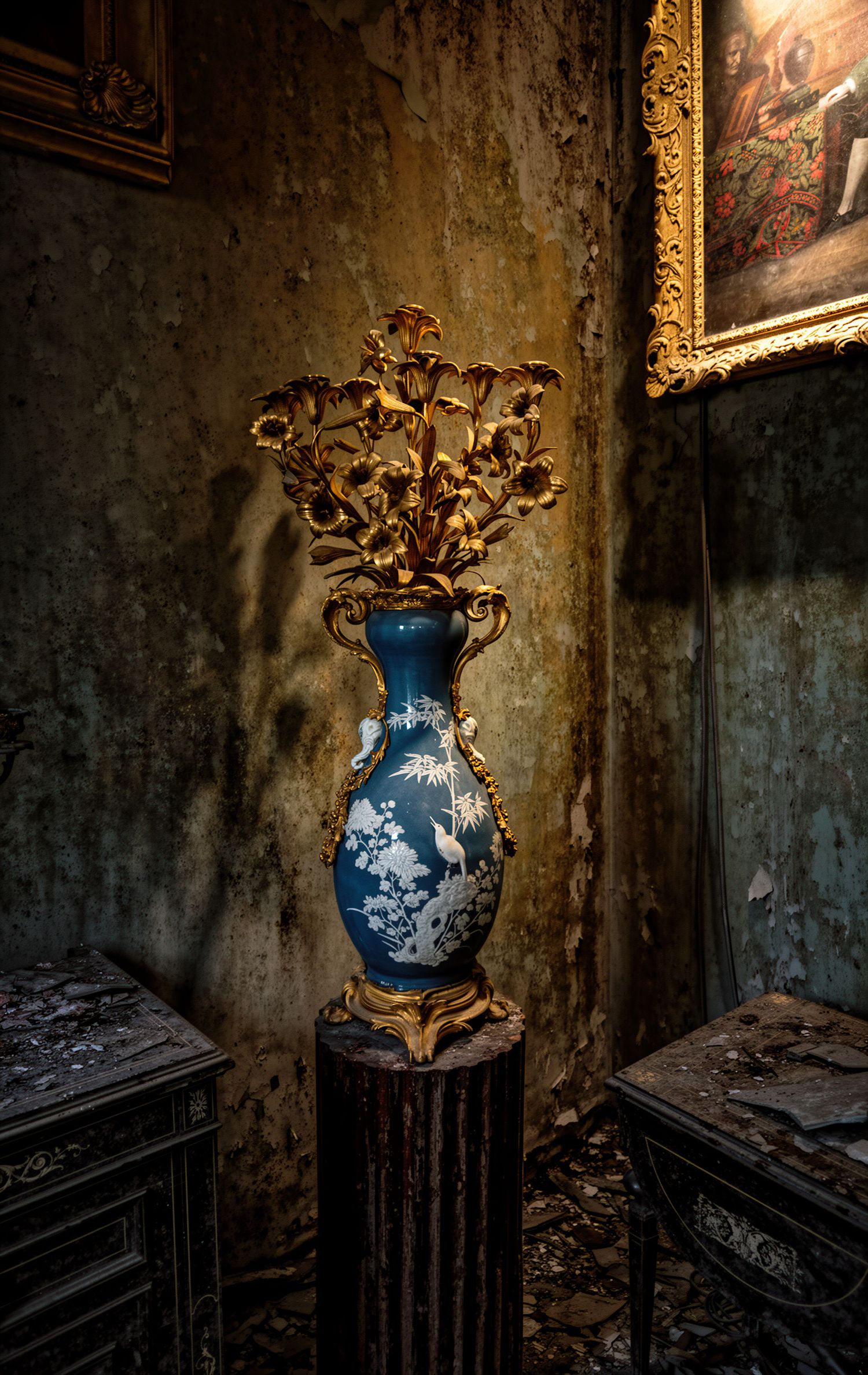
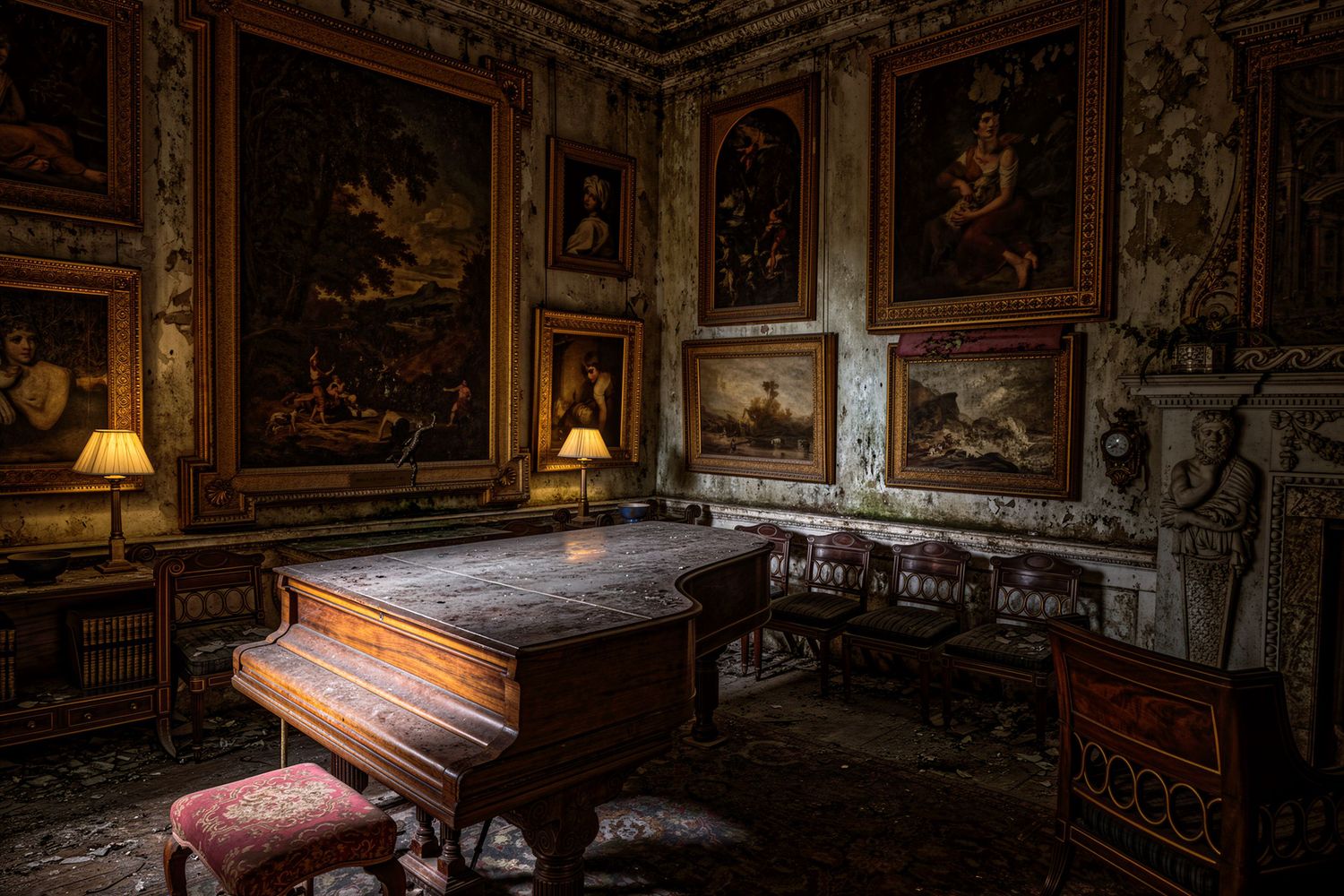
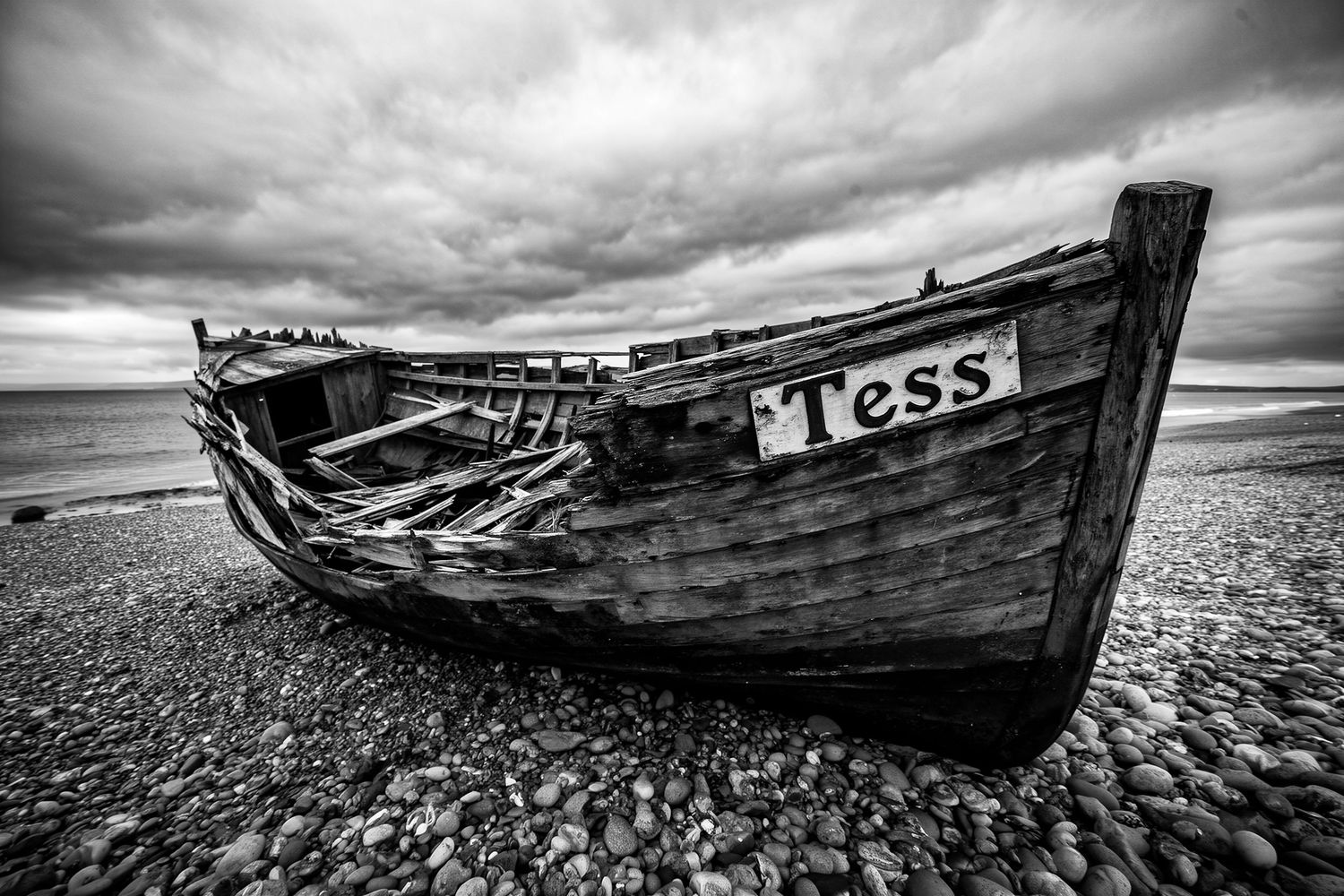
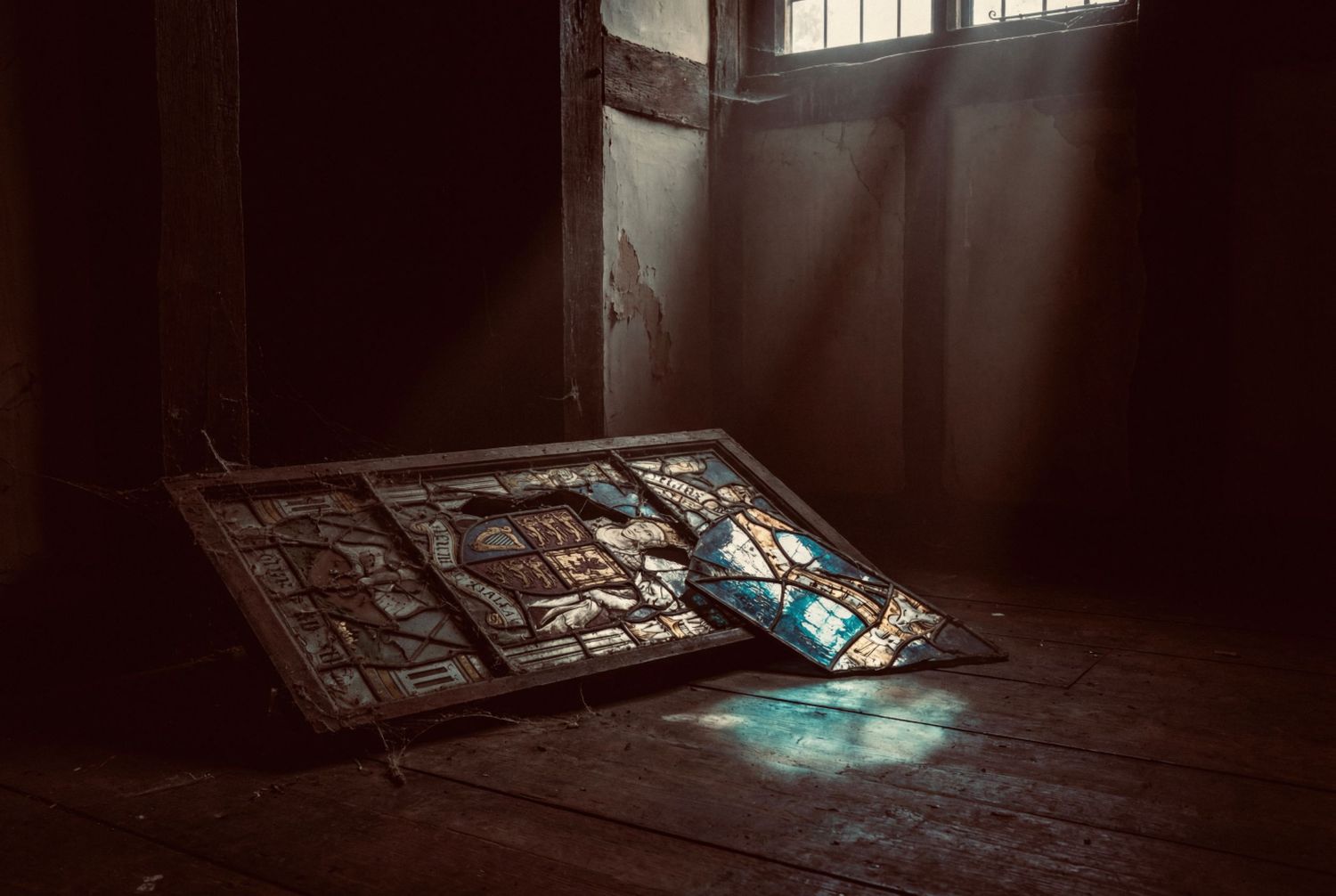
Atmospheric work — dark interiors, quiet architecture, transitional spaces — depends on this openness. The photograph becomes a mirror rather than a message. What resonates is not what is said about the image, but what is felt in front of it.
This is why many collectors return repeatedly to the same photograph before committing. The image continues to work on them without intervention.
Why Fewer Images Often Mean Stronger Impact
Curation is not about exclusion for its own sake. It is about coherence.
A tightly edited collection communicates more clearly than a large, unfocused archive. Each image strengthens the others by proximity and restraint. The body of work begins to feel intentional rather than accumulative.
This approach mirrors how galleries and museums present photography — not everything at once, but only what deepens the conversation.
Silence, in this sense, is editorial discipline.
Selling Without Selling
Fine art photography does not benefit from pressure tactics. The decision to own a piece is personal and often slow.
By removing urgency, discounting, and excessive calls to action, the photographer creates a space where the collector can arrive at the decision on their own terms. When they do, the commitment is stronger — and more enduring.
Silence does not push.
It waits.
And waiting well is one of the most underestimated skills in art.
Final Thought
Restraint is not passive.
Silence is not absence.
They are active choices — ones that trust the work, respect the viewer, and allow meaning to emerge without force.
In fine art photography, what is withheld often matters as much as what is shown.