How Atmosphere Is Created in Fine Art Photography (Not Captured)
Atmosphere is often mistaken for something accidental.
A moment of good light. A fortunate shadow. A scene that simply works. Photographers talk about being in the right place at the right time as though the image arrived fully formed — as though all they had to do was press a button and receive it.
That is not how it happens.
Atmosphere is not captured. It is built — deliberately, patiently, and with control. And understanding that distinction is the difference between an image that records a moment and one that carries weight long after the moment has gone.
Atmosphere Begins with Intent
Most images fail before they begin because there is no intent behind them. They document. They record. But they do not construct anything.
A strong image starts long before the camera is raised. It begins with a decision: what should this image feel like? Not what it should show. What it should feel like.
Everything that follows — light, composition, texture, colour — is shaped around that answer. Without it, the photographer is simply reacting. And reaction rarely produces anything with lasting presence. I wrote about this directly in Making Silence Visible — the idea that the work begins in stillness, long before the camera enters the room.
The image exists twice. Once in the space you are standing in. Once in the mind of whoever will eventually stand in front of it. The work is to make those two things the same.
Light Is Controlled by Subtraction
The instinct for many photographers is to add light. More clarity. More visibility. More detail. Fill the shadows, open the exposure, reveal everything the scene contains.
Atmosphere is created in the opposite direction.
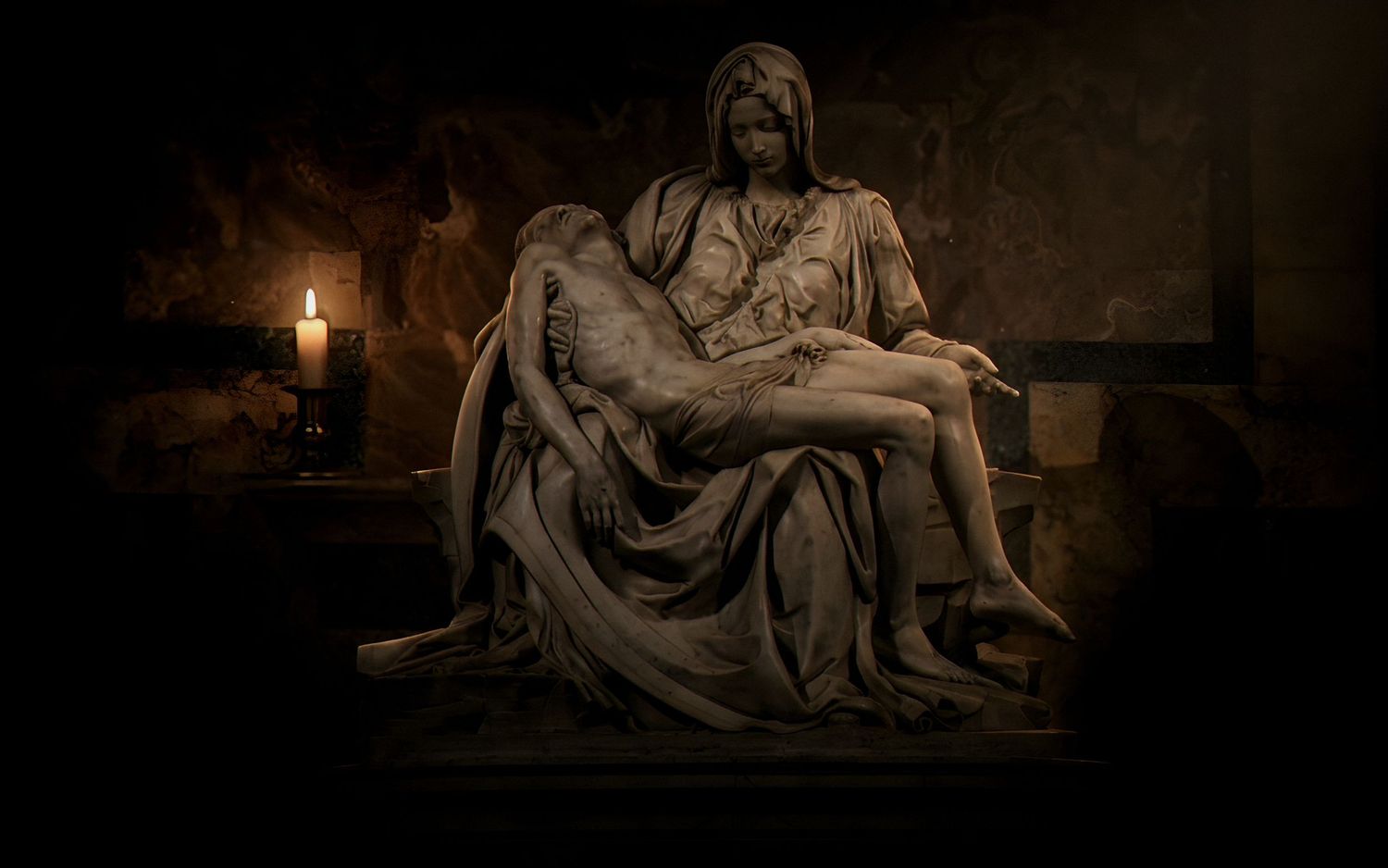
Shadow is not the absence of light — it is the structure that gives light meaning. Without it, everything becomes flat, exposed, and forgettable. The most powerful images are often the ones that reveal the least. Light should guide the eye, not overwhelm it. What is withheld is as important as what is shown. This is something I explored in Recognition, Not Discovery — the sense that a strong image does not show you something new, it shows you something you already felt but had not yet seen.
I have worked with candlelight, with low winter sun, with the last grey minutes before a storm closes in. In each case the task is the same: decide what the image needs to conceal, and let everything else fall away from there.
Texture Creates Believability
Atmosphere collapses when an image feels too clean. The eye knows, even if the viewer cannot say why.
Real environments carry imperfection — worn surfaces, uneven tones, subtle grain, depth within materials. These are not flaws. They are anchors. They give the viewer something to trust. Without texture, an image feels artificial, regardless of how technically correct it may be.
This is why careful finishing matters. Not to polish the image toward perfection, but to ground it — to give the surface of the photograph the same quality of presence as the surface of the thing it shows. How that process carries through from file to finished print is covered in detail on the prints, process and provenance page. You can also see how this carries across different subjects and environments in the journal archive.
Colour Must Be Restrained
Colour is one of the fastest ways to break atmosphere. Too much variation and the image loses cohesion. Too much saturation and it loses credibility. The eye is pulled in too many directions at once and the mood dissolves before it can settle.
A limited palette creates unity. It allows subtle shifts in tone to carry far more weight than they otherwise would. In my own work, this often means working within a narrow range — near-blacks, cool stone, the particular warmth of aged wood or flame — because the image needs to hold together as a single emotional register, not compete with itself.
Atmosphere lives in restraint. Not everything needs to stand out. The strength of an image is often measured by what it has the discipline to leave alone.
Time Is the Hidden Layer
You cannot rush an image that depends on atmosphere. Light changes. Spaces shift. A shadow that was in exactly the right position ten minutes ago has gone and will not return today.
Sometimes the image is there immediately. More often it requires waiting — watching how light settles, how shadow moves, how a space begins to reveal itself rather than simply be photographed. I have stood inside rooms for an hour before raising the camera. Not because nothing was happening. Because everything was happening too quickly to be seen. That quality of attention is what the discipline of looking slowly is built on.
Time is not a constraint. It is a tool. And patience is not passivity — it is the act of paying close enough attention that the image becomes possible.
The Final Image Is Constructed, Not Taken
There is a persistent idea that a photograph should be pure. Untouched. Unaltered. Straight from the camera, as though any intervention afterward is a form of dishonesty.
In reality, every strong image is constructed. Not artificially — but intentionally. The decisions made during finishing are not separate from the photograph. They are the final stage of it. Adjustments are not about deception. They are about alignment — bringing the final image closer to what was originally seen and felt in the room, in the light, in that particular moment. That same commitment carries through to how each finished print leaves the studio — something covered in more detail on the certificate of authenticity page.
Tools are secondary. Control is what matters. And control begins with knowing what the image is for before the shutter opens.
Why Most Images Feel Empty
An image without intention will always feel hollow. It may be sharp. It may be technically correct. It may even be beautiful in a surface way. But it will not stay with the viewer.
Atmosphere gives an image weight. It creates something that lingers — something that cannot be explained immediately, but is felt over time. It is what makes the difference between a photograph someone looks at and one they return to.
Without it, an image is only surface.
A Quiet Standard
Not every image needs to be dramatic. Not every frame needs to prove something. But every finished piece should carry intention — a clear sense that the photographer knew what they were making and made it on purpose.
That is the difference between taking a photograph and creating one. If you want to understand where that standard comes from and what drives it, the artist statement sets it out plainly.
If you want to see how these principles resolve into finished work, the journal breaks down individual pieces over time — the light, the space, the decisions made before and after the frame was taken.