A Ledger for the Ghosts of Time
History keeps its own books. They do not include everything.
The official record is selective by design. It preserves what was considered significant at the moment of its preservation — shaped by the priorities of its time. What falls outside those priorities does not enter the record. It continues to exist unaccounted for, accumulating its own quiet weight in the spaces that official memory does not reach.
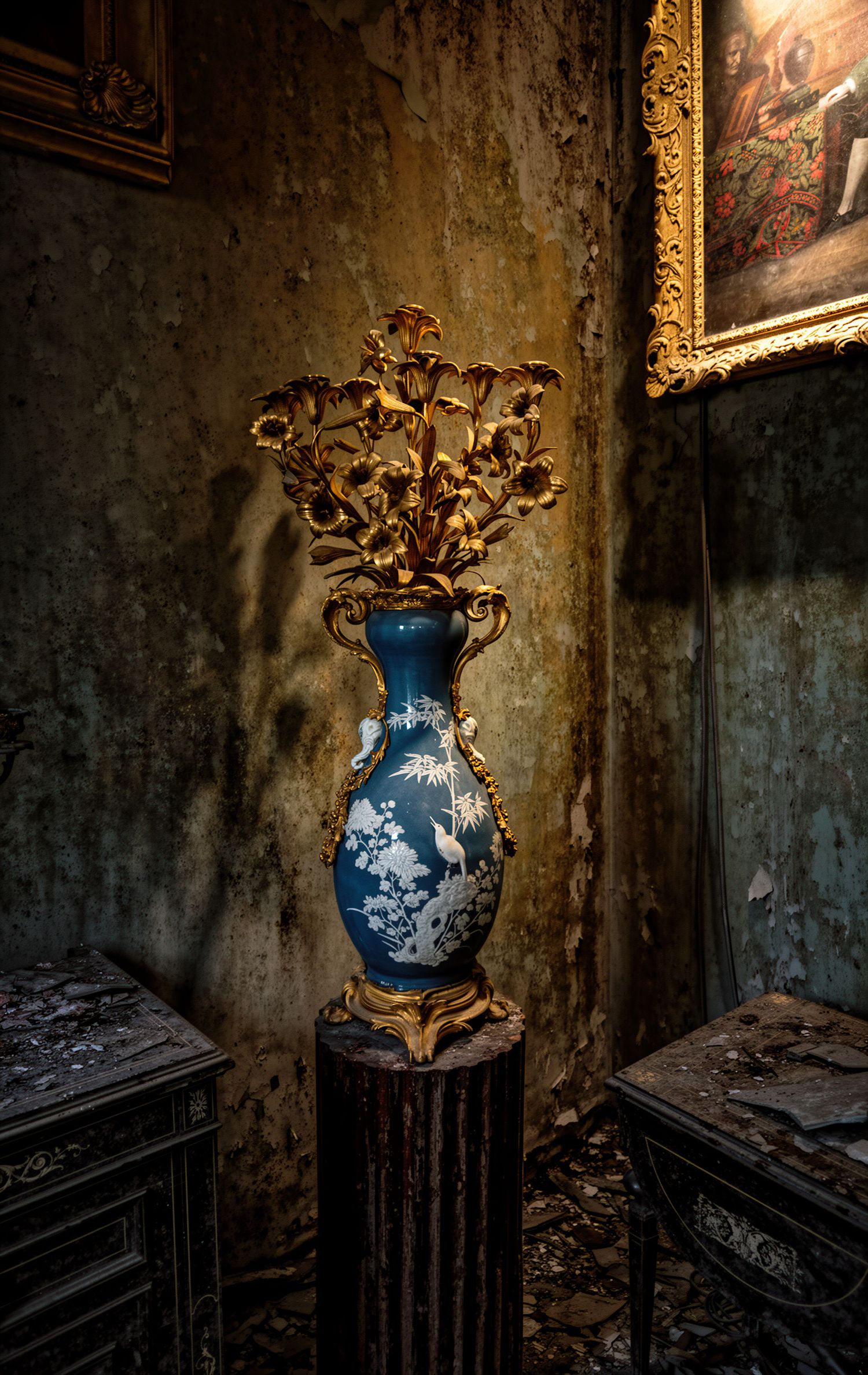
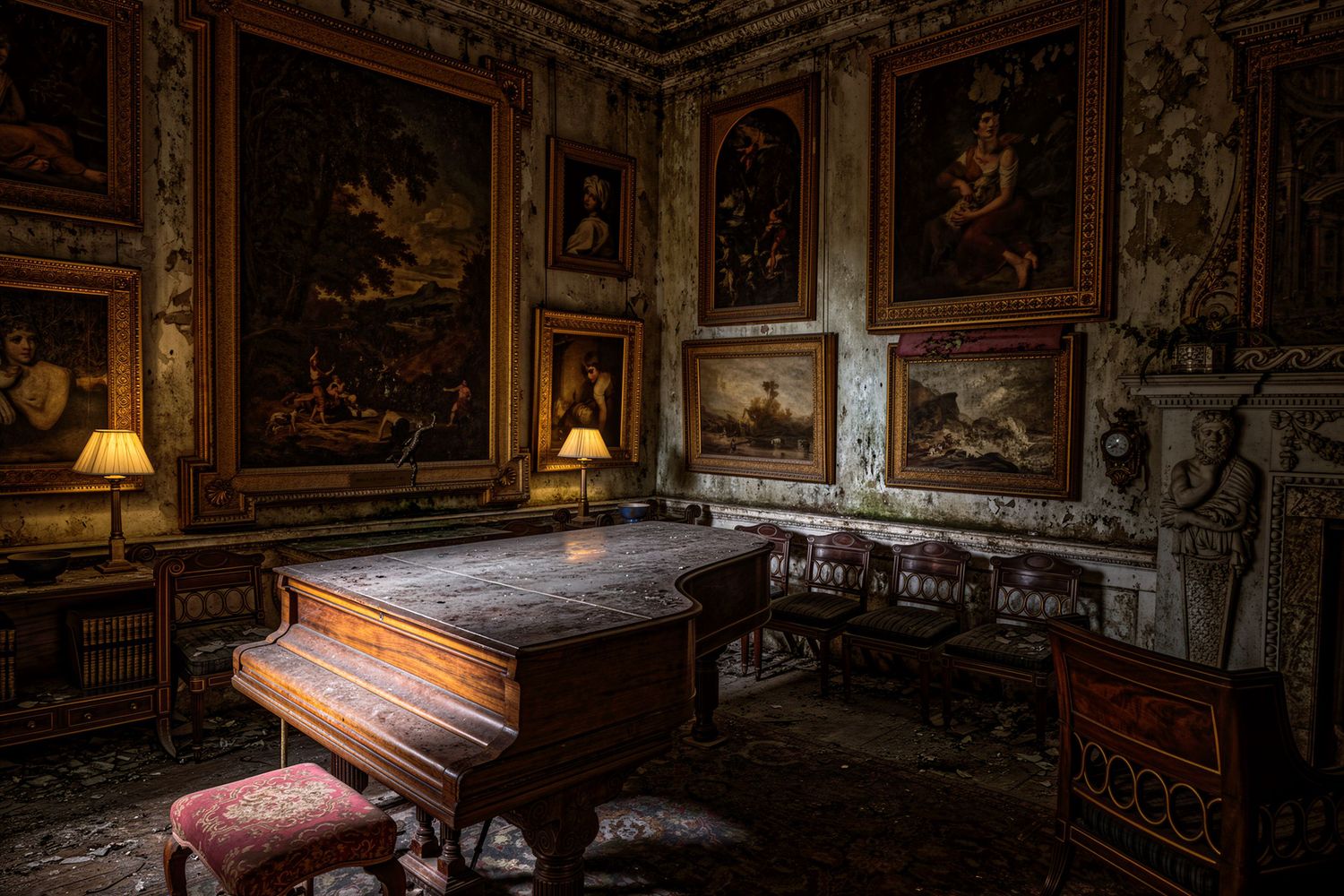
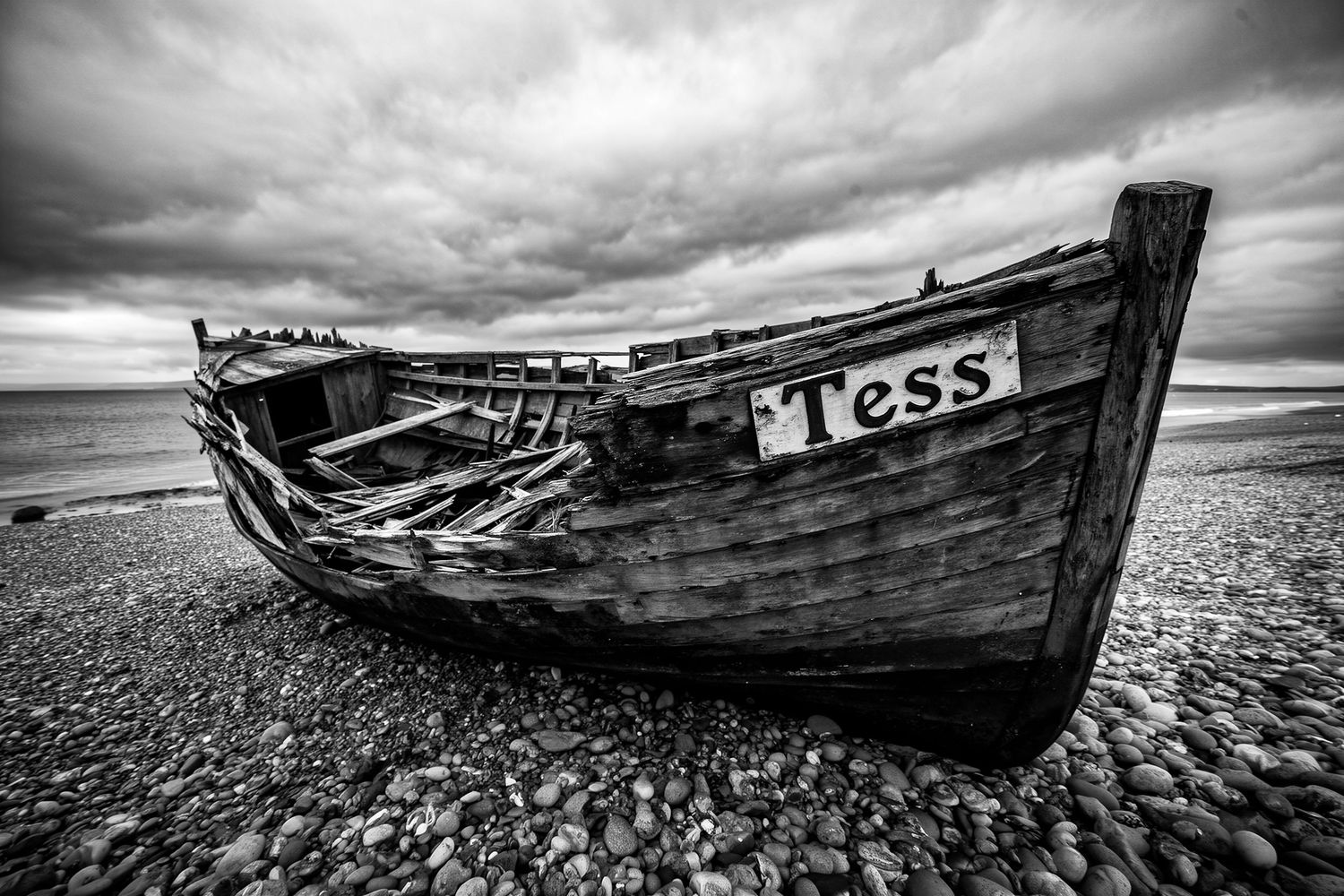
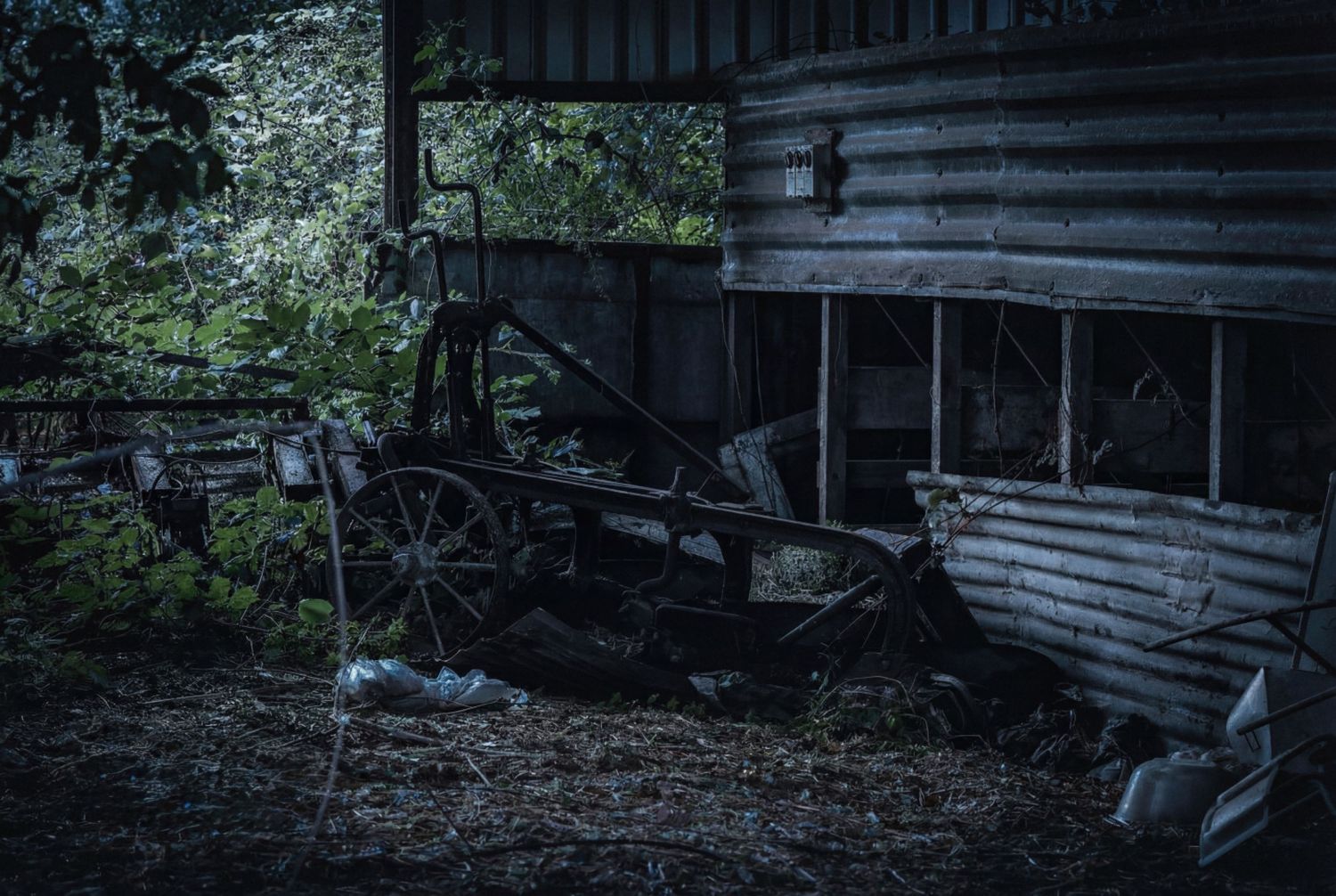
These are the spaces I photograph.
Not the grand interiors with guidebooks and rope barriers. Not the named, catalogued, and conserved. The other places — the ones that persisted without acknowledgement. Vestries that held generations of quiet ritual. Engine rooms that ran without ever being documented. Rooms where ordinary lives unfolded without leaving an official trace, beyond the physical evidence of their presence — what remains of that is explored in trace of what was once.
Fine art photography cannot restore what was not preserved. But it can create a different kind of record. It enters the space, attends to what remains, and makes visible the fact that something happened. The image does not claim the story — it asserts that a story existed. That distinction matters. You can see this approach across the wider fine art blog, where each work contributes to a growing record of what institutional memory overlooked.
A ledger records transactions — what came in, what went out, what was altered. The spaces I photograph are full of transactions that were never written down. The exchange between people and place. The slow negotiation between material and time. The accumulation of use, neglect, and exposure that leaves a surface permanently changed. None of this appears in official accounts. All of it remains present.
The work Iron Without Witness sits directly inside this idea. Industrial spaces performed their function without recognition. The labour was real. The presence of people was real. Yet it was witnessed only by the materials themselves — iron, concrete, and surface — carrying the marks without the ability to speak.
The camera becomes a witness after the fact. Too late to document the event, but in time to document its evidence. It says: something real occurred here. I cannot name it or fully reconstruct it, but I can hold the light long enough for what remains to be seen clearly.
There is a connection here to portraiture — the idea that an image resists erasure. Fine art photography of forgotten spaces performs the same act for places instead of people. It states, without exaggeration: this existed. This mattered. Regardless of what was recorded, or ignored, this was real.
The ghosts of time are not supernatural. They are the residue of ordinary lives — the evidence left behind in spaces the world moved through and then abandoned. This work is an ongoing act of record-keeping. A quiet attempt to account for what was left out, one image at a time.
Not rescue. Not nostalgia. Something more exact — acknowledgment. What was forgotten was, at one time, entirely real. That perspective sits at the core of how I approach viewing art in the 21st century, where attention itself has become one of the rarest forms of value.