Why Dark Fine Art Photography Connects So Deeply With Viewers
Dark fine art photography isn’t just a style

Dark fine art photography isn’t just a style. It’s a psychological doorway—one that invites viewers into a quieter, more reflective space than bright, decorative imagery ever could. For many collectors, these atmospheric shadows and muted tones feel strangely familiar, even comforting. They offer room to breathe and to think. They hold mystery. And that mystery pulls people in.
In an age where every screen screams for attention, dark fine art photography does the opposite. It whispers. And sometimes, the whisper reaches deeper than the shout.
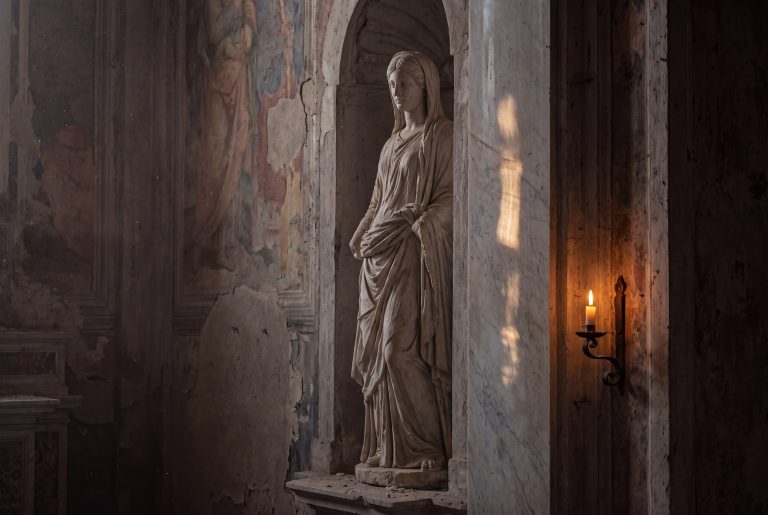
One of the main reasons this style connects so powerfully is because darkness leaves space for imagination. A brightly lit scene tells you everything; a moody or low-key image asks you to participate. Viewers fill in the gaps with their own memories, emotions, and interpretations. That participation creates attachment—and that attachment is what transforms a photograph into artwork.
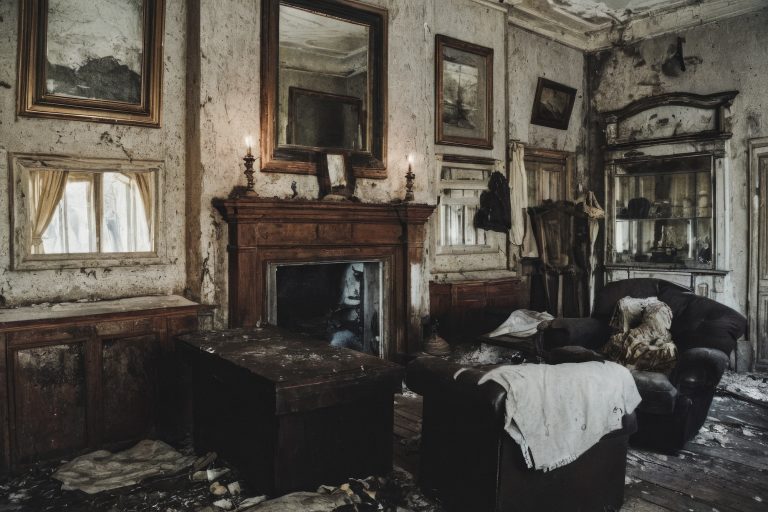
You can see this at work in collections like Urban Isolation, where stark architecture and empty streets echo the emotional weight of solitude. Pieces in The Sleeping World gently blur the boundary between night and dream, inviting viewers to step into something half-remembered. And for those who look deeper, pages like The Forgotten Room create a complete narrative environment—an atmospheric world they can wander through at their own pace, uncovering tension and stillness in equal measure.
Dark fine art photography also carries an inherent sense of truth. Life isn’t always bright. Shadows exist in all of us, and when handled with care, they become beautiful. They become honest. That honesty helps the work connect on a level that’s more emotional than decorative—and far more enduring.
Collectors often say they buy a piece because “it feels like home” or “it reminds me of something I can’t explain.” They’re responding to the atmosphere, the depth, the quiet storytelling. They aren’t just looking—they’re experiencing.
And that experience is what defines this style. Dark fine art photography doesn’t ask for attention; it earns it. Not through noise, but through presence.